4 Types of Luxury Watch Complications
One of the key aspects that is important in a luxury watch is its complications. It refers to any function on a watch beyond basic timekeeping. The purpose of complications varies, some are designed to enhance practicality, while others are there to elevate the artistic and horological value of a timepiece. Therefore, it’s important to understand the different types of complications in luxury watches.
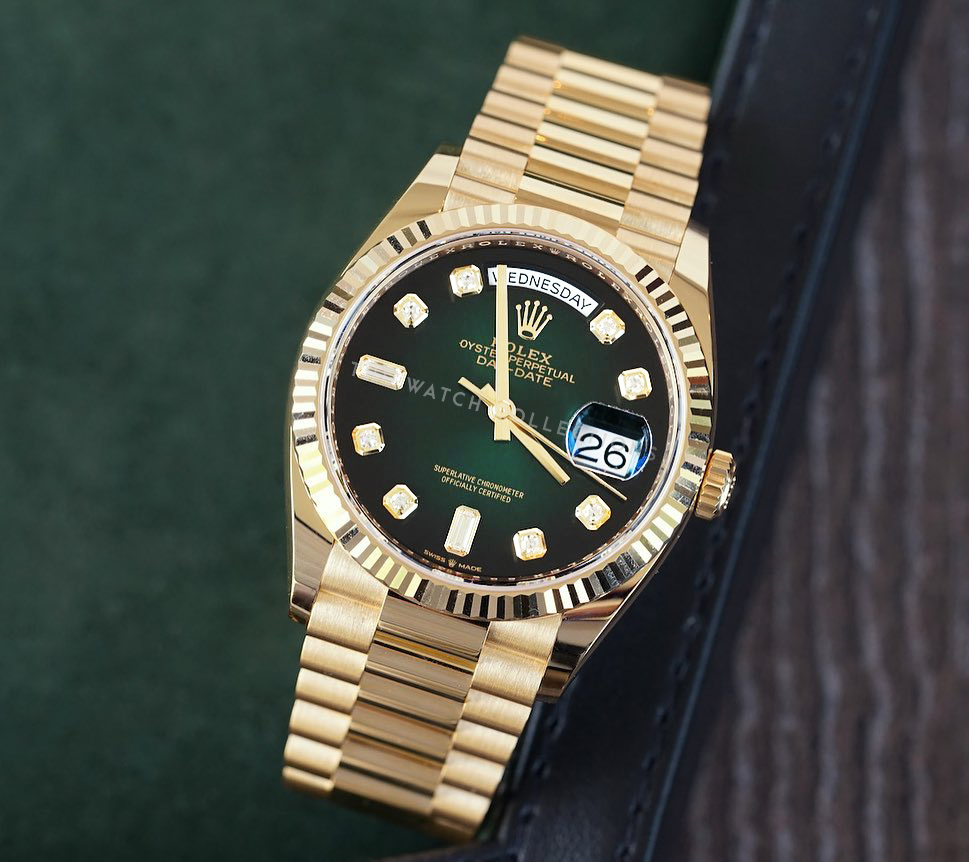
1. Basic Complications
These are the most commonly found complications and are widely used in everyday life. This complication usually includes a date display and a power reserve indicator, which shows the remaining energy stored in the mainspring.
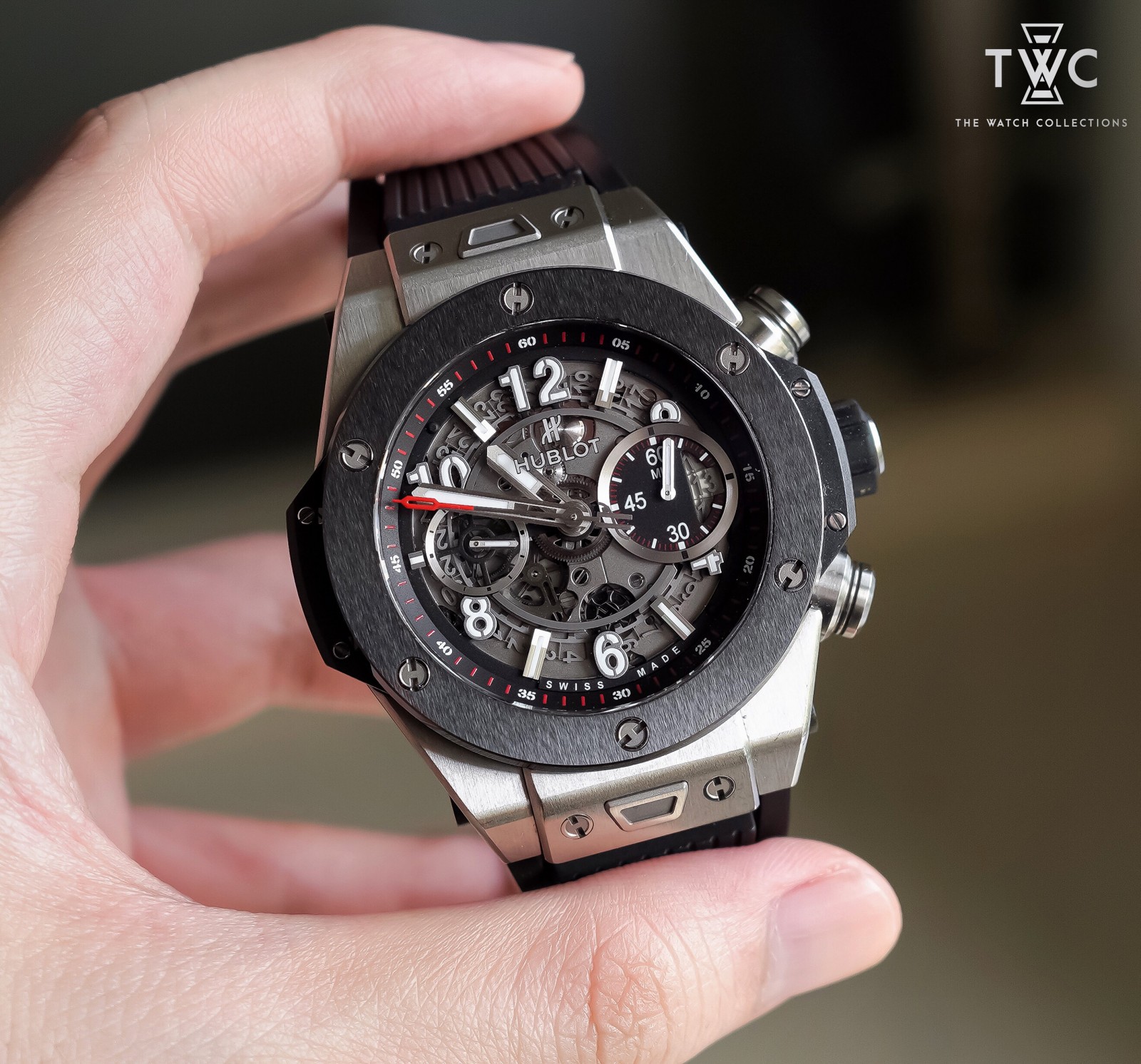
2. Time-Measurement Complications
Watches with this type of complication usually feature a stopwatch function, such as a chronograph, and may also include a tachymeter to calculate speed based on elapsed time. In addition to their functionality, these complications are also appreciated for their dynamic and attractive designs.
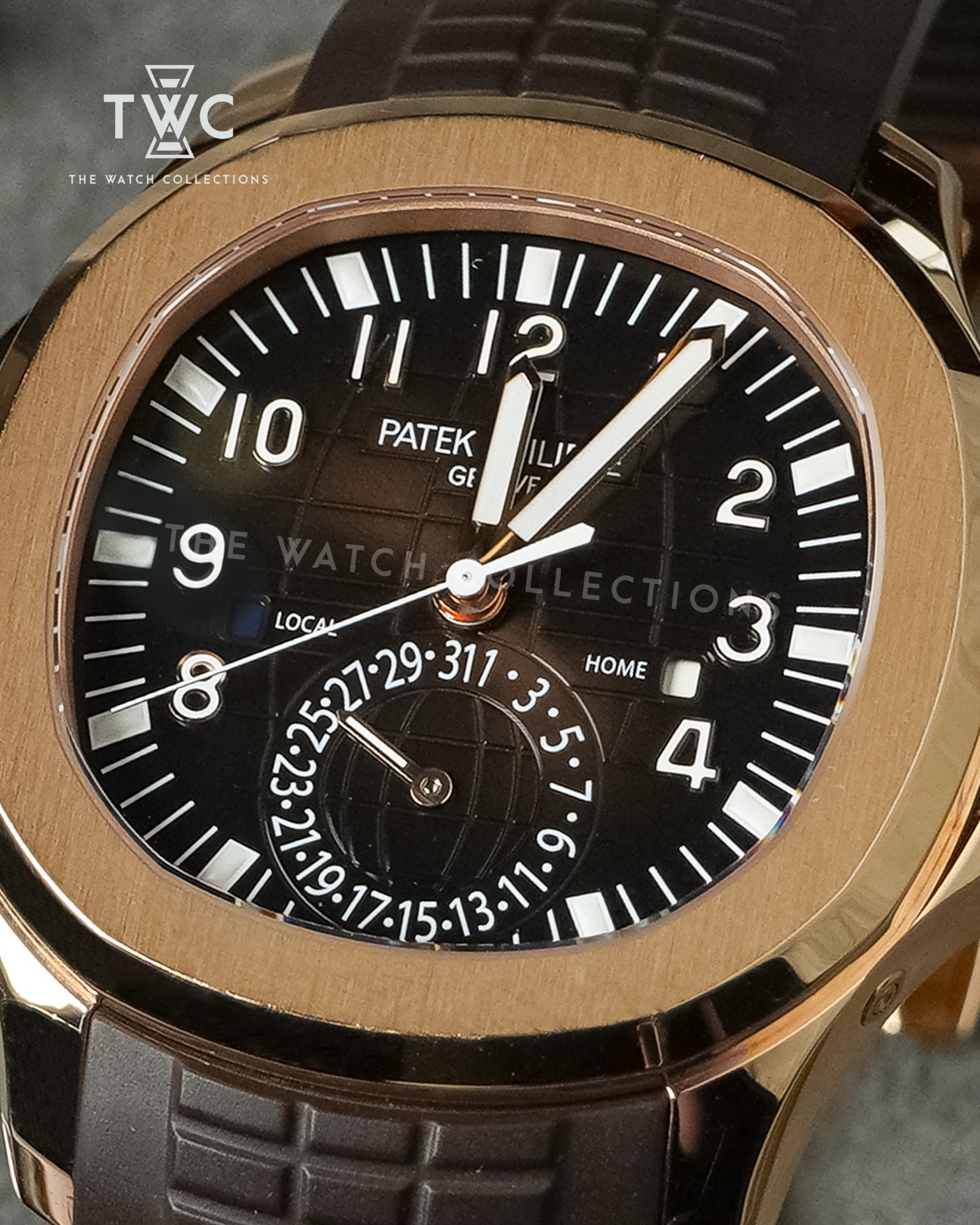
3. Calendar Complications
Watches with calendar complications offer a more advanced date display compared to basic complications. These functions can account for the date, day, month, and even leap years, as well as monthly cycles of 30 or 31 days. As a result, the calendar does not require manual adjustment for many years.
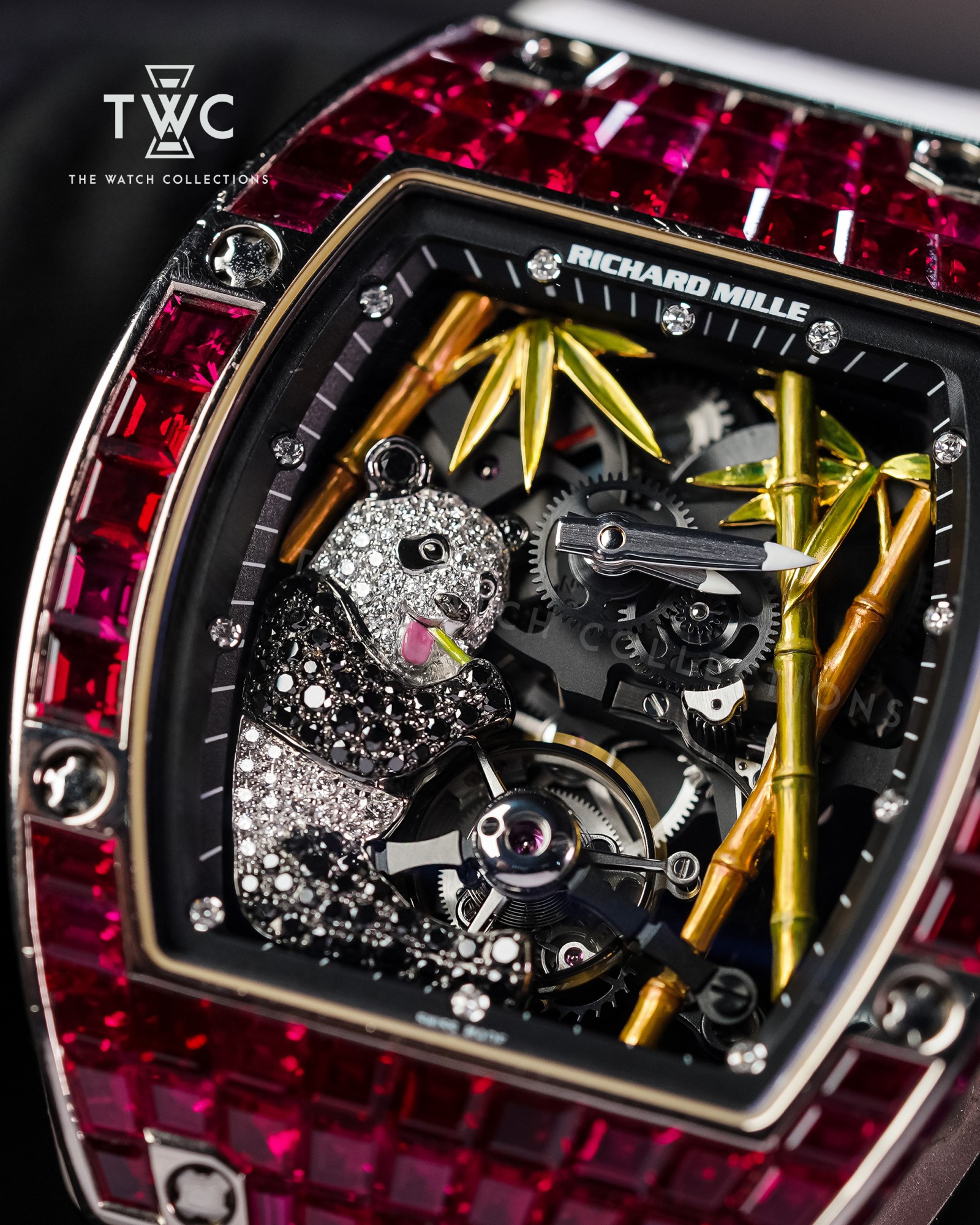
4. High-Level Complications
These are the most complex complications in watchmaking. Examples include the tourbillon, split-seconds chronograph, and minute repeater. Due to the high level of expertise required to create them, watches with high-level complications are typically produced in limited numbers.
Understanding which complication best suits your needs and preferences is an important part of choosing a luxury watch. If you are unsure where to begin, you may consult The Watch Collections or explore our carefully curated selection of luxury timepieces.
Frequently Asked Questions (FAQ):
1. What is a watch complication?
A complication is any function on a watch beyond basic timekeeping, such as a date display, stopwatch, or calendar feature.
2. What is the difference between basic and calendar complications?
Basic complications typically show a daily date or power reserve, while calendar complications account for day, month, leap years, and monthly cycles.
3. What are examples of time-measurement complications?
Examples include a chronograph (stopwatch) and a tachymeter, which can calculate speed based on elapsed time.
4. What are high-level complications?
High-level complications include complex features like the tourbillon, split-seconds chronograph, and minute repeater, usually produced in limited quantities and requiring expert craftsmanship.
5. How do I choose the right complication?
Choose based on practical needs and aesthetic preference. If unsure, consult The Watch Collections or explore our curated luxury watch selection.
You May Also Like These Watches
Know More News
Subscribe to our Newsletter